Appealing Convictions for Speed Camera Offences
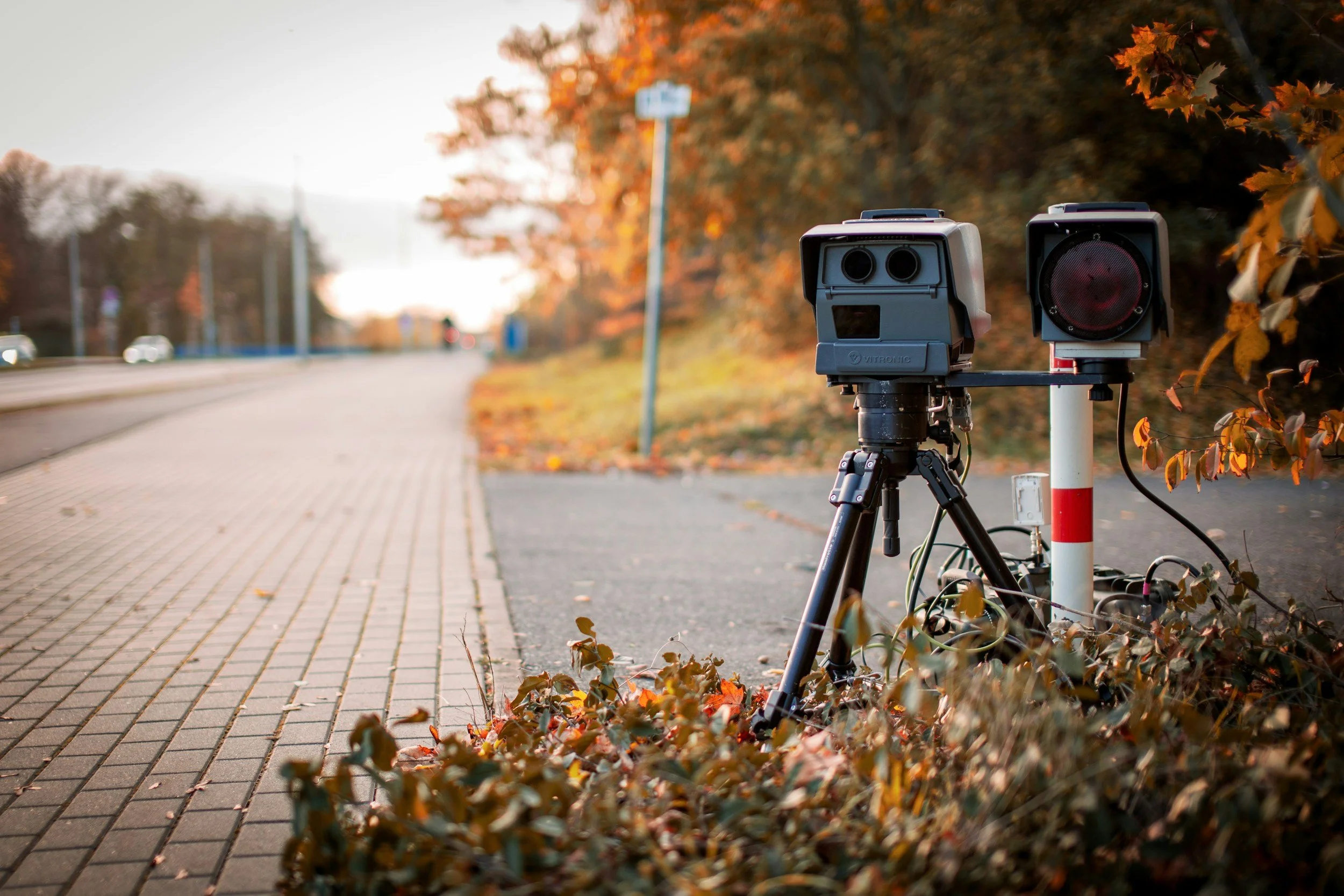
Been caught speeding?
Speeding is one of the most common offences committed on New Zealand roads. When you’re covering long distances, managing fatigue, weather, traffic and tight schedules, even a minor lapse in concentration can result in a heavy foot on the accelerator. All it takes is one snap from a speed camera and the next minute there’s an infringement notice sitting in your mailbox. But what happens when you’re speeding 50 kilometres or more over the posted limit and the infringement notice turns into a charging document and a summons to appear in Court? Up until recently, a guilty plea would have resulted in you being convicted and ordered to pay a fine but following the District Court decision of Abaday & Anors v Police [2025] NZDC 10580 (“Abaday”), this is no longer the case.
THE FACTS
In Abaday, the four appellants were appealing the convictions entered on their records for speed camera offences. Each of the appellants was the registered owner of their motor vehicle and a speed camera had captured them travelling at speeds which exceeded the posted speed limit by more than 50 kilometres per hour (ranging in excess between 51-73 kilometres per hour). The appellants in this case were issued with a summons to appear in the District Court and their offences were described in a charging document. Each appellant pleaded guilty and was convicted and fined by the Justices of the Peace.
THE MAIN ISSUE
The central argument on appeal for all appellants was that no conviction should have been entered on their records in the first place as these were infringement offences. An infringement offence is a type of low‑level criminal offence designed for conduct that is unlawful but not serious enough to justify a full criminal prosecution. The Police argued that the offences were not infringement offences because charging documents were filed instead of an infringement notice being issued. The central question for the District Court to determine was whether the offence listed on the charging document was an infringement offence.
THE JUDGE’S ANALYSIS
Judge Pecotic noted that generally infringement notices are issued for offences which do not exceed 50 kilometres over the posted speed limit. The maximum fine for an infringement offence for reaching a speed between 46-49 kilometers per hour is $630. However, charging documents are filed and proceeded with where a speeding offence exceeds the posted speed limit by more than 50 kilometres per hour because there is no set infringement fee for this offence in Schedule 1B of the Land Transport (Road User) Rule 2004. When defendants are issued with a charging document and summonsed to Court, it reflects the seriousness of the offence and enables the Court to impose the maximum fee of $1,000 or less depending on the circumstances of the offence.
CONVICTIONS QUASHED
Her Honour Judge Pecotic held that section 375 of the Criminal Procedure Act 2011 overrides any other provision of the Criminal Procedure Act 2011 or any other act. This section states that if a defendant pleads or is found guilty of an infringement offence (whether or not an infringement notice has been issued), the Court must not convict the defendant. Furthermore, section 2 of the Land Transport Act 1998 clearly sets out that a speeding offence captured by a speed camera is an infringement offence. This overrides any contradictory statement or implication in the Land Transport rules and regulations because the rules and regulations are subordinate legislation and cannot override an Act of Parliament.
Therefore, when speeding offences captured by a speed camera commence by way of charging document, their status as an infringement offence remains the same. The appeal was allowed for each case and the convictions were quashed in relation to each Appellant. The fines imposed remained the same.
It is important to note that the same logic cannot be applied to overturn speeding convictions for offences committed by someone who has been stopped when driving by the police. A person driving more than 40 km/h over the posted speed limit must instantly be suspended from driving for 28 days. Offences captured by camera do not attract this suspension or demerit points, because the actual driver is not necessarily known.
APPEALING YOUR SPEEDING INFRINGEMENT CONVICTION?
It follows from the case of Abaday that if you have been convicted of a speeding offence captured by speed camera, then you have the right to appeal against this decision. An appeal is not simply “asking for another chance,” it is a formal legal process with strict rules and deadlines. Appeals are time sensitive and technical, so having legal advice can significantly improve your chances of a properly prepared and effective appeal.